Health and Safety Risks Associated With Bee Infestations
To address health and safety risks associated with bee infestations, local contractors can professionally remove bees and prevent dangerous stings and allergic reactions.
Discovering a bee infestation on a property can pose significant health and safety risks that demand prompt attention. Bees often build nests in hard-to-reach areas such as wall cavities, attics, or beneath eaves, which can lead to increased danger for residents and visitors. Stings from aggressive or protective bees can cause allergic reactions, some of which may require immediate medical care. Property owners in the area who notice signs of bees should understand the importance of addressing these risks swiftly to prevent potential injuries or health complications.
Engaging with experienced local service providers can be an essential step in managing bee infestations safely and effectively. These professionals specialize in bee infestation treatment, ensuring that nests are removed or managed with care to minimize the risk of stings and other hazards. Proper removal not only helps protect individuals from health threats but also prevents property damage caused by the buildup of hive materials. Keep reading to learn more about how local experts can assist in safeguarding properties and ensuring safety from the health and safety risks associated with bee infestations.
- Bee Nest Removal - when a hive is located in an accessible area, local contractors can safely remove and dispose of the nest to reduce health and safety risks associated with bee infestations.
- Swarm Removal Services - during seasonal swarms, service providers can quickly relocate bees to minimize exposure to potential allergic reactions and other health hazards.
- Hive Extermination - in cases where bees have established a hive inside structures, local pros employ safe methods to eliminate the colony and prevent further health and safety concerns.
- Bee Exclusion Services - when bees are nesting in hard-to-reach places, experts can seal entry points to prevent re-infestation and reduce ongoing safety risks.
- Emergency Bee Removal - if a bee infestation poses immediate health threats, local service providers can respond promptly to mitigate risks and ensure safe removal of the colony.
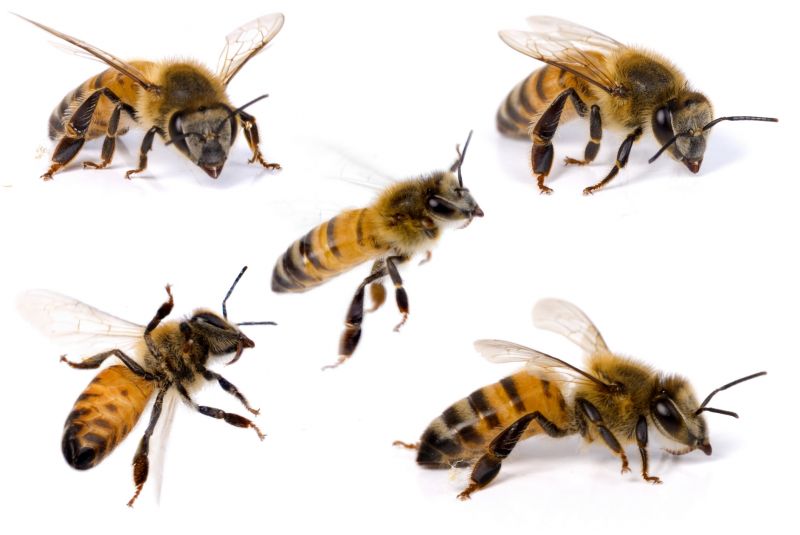
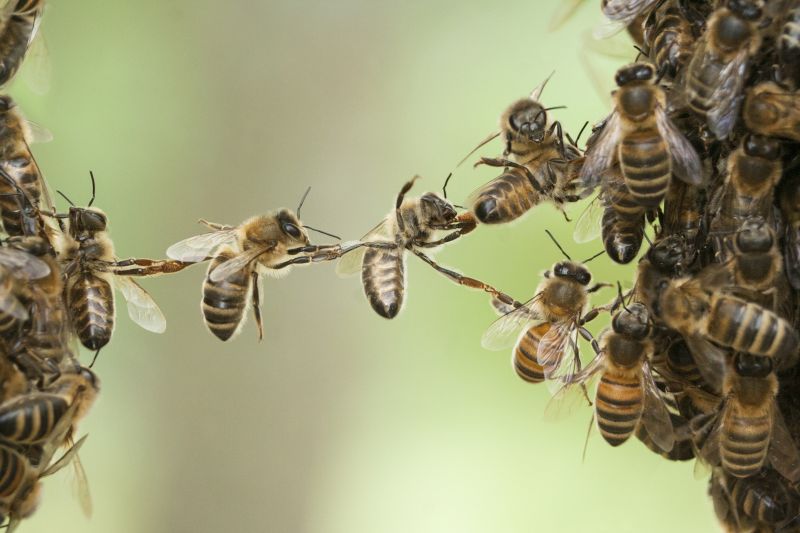
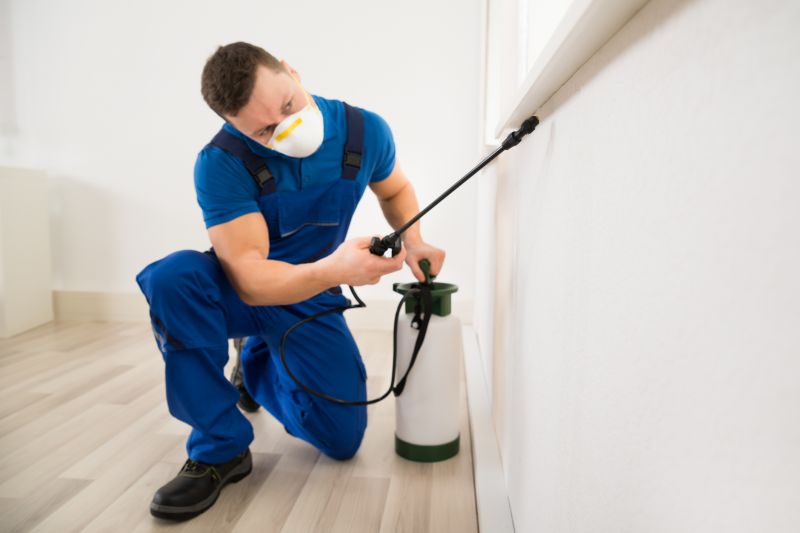
People searching for information about health and safety risks associated with bee infestations often want to understand the potential dangers that bee colonies can pose to their homes and personal well-being. Bee infestations can lead to serious health concerns, especially for individuals who are allergic to stings or have respiratory issues. The presence of large numbers of bees, particularly in or around living spaces, increases the risk of aggressive behavior and accidental stings, which can result in allergic reactions or other medical emergencies. Homeowners are typically looking for guidance on how to identify signs of a bee infestation and how to address the health hazards safely and effectively.
This topic is closely related to problems such as property damage, personal safety, and the development of effective plans for removal and prevention. Bees often build nests in hard-to-reach areas, including wall cavities, attics, eaves, or beneath decks, which can complicate removal efforts. Without proper intervention, these infestations can worsen over time, leading to increased health risks and potential structural damage. Many property owners consider professional bee removal as part of a broader property management plan to mitigate health hazards, prevent property deterioration, and ensure a safe living environment.
The types of properties most commonly affected by bee infestations include residential homes, especially those with older or poorly maintained exteriors, as well as commercial buildings, farm structures, and outbuildings like sheds or barns. Homes with ample trees, flowering plants, or water sources nearby are more likely to attract bees, leading to infestations in eaves, soffits, or wall voids. Commercial properties such as restaurants, farms, or warehouses may also experience bee problems, particularly if they have accessible storage areas or outdoor spaces. Recognizing the property types most at risk helps homeowners and property managers understand the importance of timely treatment and the role that local service providers play in managing these infestations safely.
When dealing with health and safety risks associated with bee infestations, it is important for property owners to understand how local bee infestation treatment professionals fit into the process. These specialists are equipped to evaluate the severity of an infestation, identify the species involved, and implement safe removal methods that reduce health hazards. Proper removal not only minimizes the risk of stings and allergic reactions but also prevents the bees from establishing new colonies nearby. Engaging experienced local contractors ensures that infestations are handled efficiently and safely, helping property owners protect their families, employees, and visitors from the health dangers posed by bee colonies.
Wildlife Removal Projects - These projects involve safely removing animals like bees from structures, requiring knowledge of safe handling and removal techniques that are similar to bee infestation treatments.
Pest Control Services - Pest control specialists often address insect and rodent infestations, utilizing planning and tools that align with managing health and safety risks associated with bee colonies.
Structural Inspection and Repair - Inspecting and repairing buildings affected by pests or animal nests involves assessing risks and planning safe removal strategies, paralleling bee infestation management.
Hazardous Material Handling - Projects involving the removal of hazardous materials require safety planning and protective measures similar to those used in bee hive removal and treatment.
Attic and Wall Cavity Cleaning - These projects include removing debris and pests from confined spaces, requiring careful planning to prevent health hazards linked to bee infestations.
Exclusion and Sealing Services - Sealing entry points to prevent animal re-entry involves strategic planning and precise work akin to preventing future bee infestations and reducing health risks.
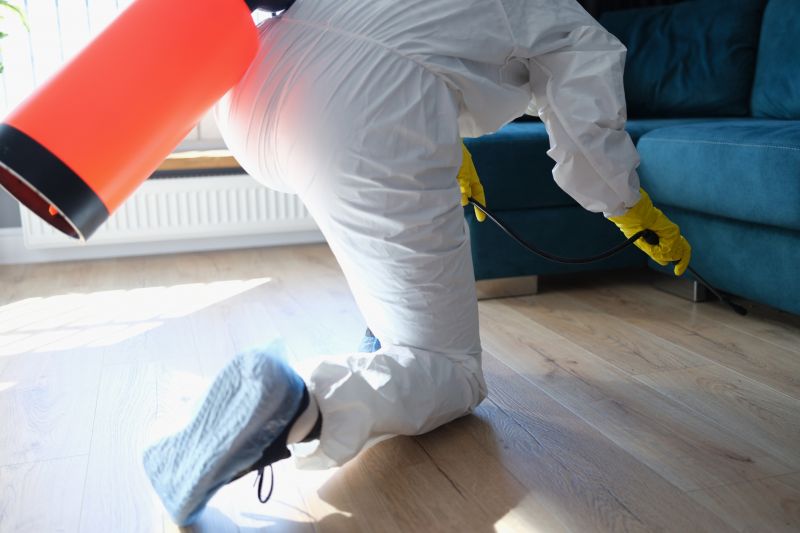
When evaluating service providers for bee infestation treatment, it’s important to consider their experience with similar projects, particularly those involving health and safety risks associated with bee infestations. A contractor with a proven track record in handling bee removal and hive elimination can offer insights into effective safety practices and proper procedures. Asking about previous work in environments similar to your home can help ensure they understand the unique challenges and safety considerations involved, reducing the likelihood of accidents or incomplete removal that could pose ongoing risks.
Clear written expectations are essential when selecting a contractor to address bee infestations, especially given the health and safety risks involved. A reputable service provider should be able to outline the scope of work, safety measures, and any precautions that will be taken during the process. This transparency helps homeowners understand what to expect and ensures that safety protocols are prioritized throughout the project. Well-documented plans also serve as a reference point, should any questions or concerns arise during or after the treatment.
Reputable references and good communication are key indicators of a reliable contractor capable of managing health and safety risks associated with bee infestations. References from previous clients can provide insights into the contractor’s professionalism, safety practices, and effectiveness in eliminating bee colonies. Additionally, a service provider who maintains open, clear communication can better address questions, provide updates, and explain safety procedures, fostering confidence that the project will be handled responsibly. When comparing local contractors, these factors can help identify professionals who prioritize safety and quality in their work.
Property owners often search for health and safety risks associated with bee infestations when they are planning practical projects around their homes and businesses. Local pros provide Bee Infestation Treatment services for everyday jobs and straightforward project options.
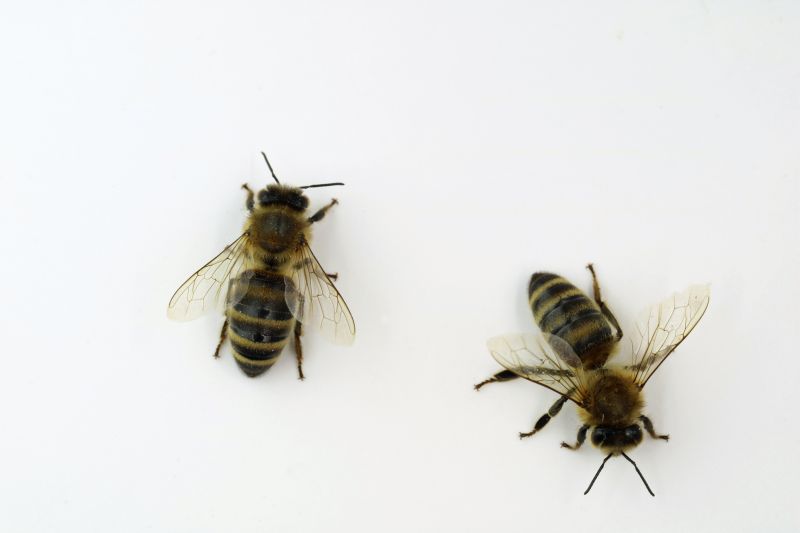
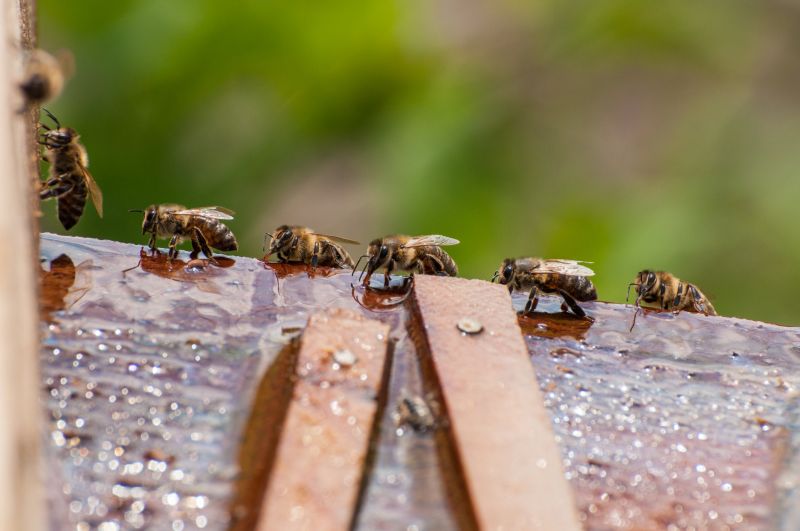
Bee infestations in residential or commercial properties can pose significant health and safety risks that property owners should be aware of. When bees establish colonies in or around structures, they can become aggressive if disturbed, increasing the potential for stings that may cause allergic reactions or other health complications. Additionally, large colonies can lead to the buildup of hive debris and honey, which can attract other pests and create unsanitary conditions, further elevating health concerns for occupants and visitors alike.
To mitigate these risks, property owners often seek the assistance of local contractors specializing in bee infestation treatment. These professionals have the expertise to safely remove and relocate bee colonies, reducing the chance of stings and preventing damage to the property. Engaging experienced service providers can help ensure that bee-related health and safety risks are managed effectively, providing peace of mind and maintaining a safe environment.
What are the health risks associated with bee infestations? Bee infestations can pose health risks such as allergic reactions, stings, and the spread of bacteria through stings, especially for individuals sensitive to bee venom.
How can bee infestations impact indoor air quality and safety? Bee nests inside structures may lead to compromised air quality due to droppings and mold, and the risk of stings increases if the bees feel threatened or disturbed.
Why is professional removal important for health and safety? Professional bee removal ensures safe and effective elimination, reducing the risk of stings, allergic reactions, and potential structural damage caused by the infestation.
What health precautions should be taken before treatment? It is recommended to keep people and pets away from the infested area until local contractors have safely removed the bees to prevent stings and allergic reactions.
How do local service providers handle health and safety during bee removal? Local contractors follow safety protocols to minimize risks, including protective gear and proper disposal methods to prevent bee stings and protect residents’ health.
Identify bee nesting sites - property owners can work with local contractors to locate areas where bees may be nesting, reducing health risks from unexpected encounters.
Remove hive access points - professionals can seal entry points to prevent bees from establishing new colonies, minimizing ongoing safety hazards.
Implement proper hive removal procedures - local pros can safely remove and relocate bee colonies, lowering the risk of stings and allergic reactions.
Ensure thorough cleanup and sanitization - after removal, experts can clean affected areas to eliminate residual risks associated with bee infestations.
If you are thinking about health and safety risks associated with bee infestations for a property, this guide is meant to help you understand this topic, the typical project types, and how different options might fit your plans.
When you are ready, you can use the quote form on this page to share a few details about your project. From there, local pros can review the basics and follow up with options that match what you have in mind.