When Bee Removal Is Necessary and When It’s Not
People searching for bee removal are usually trying to safely eliminate bees when their presence poses a risk, and local service providers can help determine when removal is necessary and handle the job professionally.
Understanding when bee removal is necessary and when it’s not can help property owners make informed decisions about managing bee activity on their property. Many bees are beneficial pollinators that play a vital role in local ecosystems, and not every presence requires intervention. However, situations where bees establish large colonies in or near structures, pose safety concerns, or threaten human or pet activity often call for professional bee removal services. Recognizing these situations can prevent unnecessary disruption and ensure the safety of everyone involved, which is why consulting experienced local contractors is a practical step for those facing bee-related concerns.
Property owners in the area might find it helpful to explore this topic if they notice signs of a bee colony in their yard, attic, or around their home. Knowing when bee removal is necessary and when it’s not can help prevent unwarranted removal efforts that could harm beneficial pollinators. Local service providers who specialize in bee removal can assess each situation carefully, offering solutions that respect the importance of bees while addressing safety and property concerns. Keep reading to learn more about identifying the right circumstances for professional bee removal and how local experts can assist in managing these situations effectively.
- Swarm removal - needed when a large hive or swarm has established itself on a property, and local contractors can safely remove and relocate the bees.
- Nest removal - necessary when a hive is built inside walls, attics, or other hard-to-access areas, requiring specialized equipment from service providers.
- Extermination services - appropriate when bee removal is not possible due to persistent or aggressive bee activity, with local pros offering humane or chemical solutions.
- Preventative sealing - advised when bee activity has ceased but potential entry points remain, helping to avoid future infestations with assistance from local contractors.
- Non-removal situations - when bees are temporarily present or not causing a safety concern, local pros recommend observation and non-invasive management options.

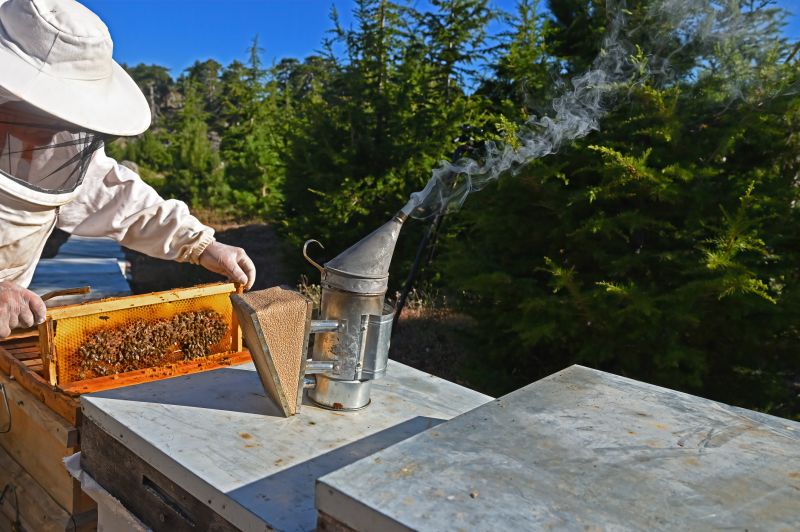

Understanding when bee removal is necessary and when it’s not is crucial for homeowners dealing with bee activity on their properties. Many people searching this topic are concerned about safety, property damage, or the presence of bees in areas where they might pose a risk to residents or visitors. Often, the focus is on situations where bees have established a hive or nest in or near a home, garage, attic, or outdoor structure. Homeowners may also be considering bee removal when they notice large swarms gathering nearby or when bees start to frequent certain areas regularly. Recognizing the circumstances that warrant professional intervention helps ensure that bee populations are managed responsibly and that property or personal safety is maintained.
The problems or plans related to this topic typically involve addressing potential hazards, preventing property damage, or respecting the ecological role of bees. When bee removal is necessary, it’s usually because a hive or nest has been identified in a location that could threaten children, pets, or residents-such as in wall cavities, under eaves, or on exterior decks. Property owners often seek out local service providers to safely remove and relocate the bees, especially when the hive is in a hard-to-reach spot or if the hive is large. Conversely, plans that do not involve removal often include situations where bees are simply passing through or temporarily resting nearby, without establishing a hive, or when bees are in areas that are not accessible or pose no safety issues. In such cases, intervention may not be required, and natural behaviors can be left undisturbed.
Certain property types are more commonly associated with bee activity that might lead to removal. Residential homes, especially those with older structures, are frequent sites for hive establishment in attics, wall voids, or eaves. Commercial buildings, barns, and farm structures are also common locations, often attracting bees due to their sheltered spaces. Outdoor areas like gardens, sheds, or playgrounds can become problematic if a hive develops nearby. It’s important for property owners to understand that not all bee activity requires removal-sometimes, bees are just passing through or are in a location that doesn’t pose a risk. When bee removal is necessary, local contractors can evaluate the situation, determine if a hive is active and problematic, and use appropriate methods to safely relocate the bees, ensuring minimal disruption and harm.
In summary, knowing when bee removal is necessary and when it’s not involves assessing the location, activity, and safety risks associated with bee presence. While many situations call for professional intervention-particularly when a hive is established in a way that could threaten safety-there are cases where bees can be left alone without issue. Homeowners should be aware of the signs of problematic hive activity and consult with experienced service providers who can accurately evaluate the situation. These local contractors can provide the expertise needed to handle bee removal safely and effectively, helping property owners manage bee-related concerns responsibly while respecting the vital role bees play in the environment.
Wildlife Removal - professionals handle removal of various animals from residential and commercial properties, requiring similar planning and tools as bee removal to ensure humane and effective solutions.
Hornet and Wasp Nest Removal - these services involve identifying and safely removing nests, paralleling bee removal techniques and safety considerations for stinging insects.
Rodent Control Services - addressing rodent infestations involves inspection, trap placement, and exclusion methods, which are comparable to the planning and equipment used in bee removal.
Pest Exclusion Services - preventing future pest issues through sealing entry points shares planning approaches with bee removal to protect properties from unwanted insect invasions.
Bird Control and Removal - managing bird nesting sites requires understanding of humane removal tactics and site inspection skills similar to those used in bee removal.
Insect Inspection Services - thorough inspections to identify pest activity and nesting sites are foundational skills that overlap with bee removal assessments and planning.

When evaluating service providers for bee removal, it is important to consider their experience with similar projects. Homeowners should look for local contractors who have a history of handling bee removal jobs comparable in size and complexity to their own situation. An experienced professional will be familiar with different types of bees, common nesting locations, and effective removal techniques, which can contribute to a smoother process and help determine whether bee removal is necessary or if alternative solutions might be appropriate.
Clear, written expectations are essential when comparing local pros. Homeowners should seek providers who can outline the scope of work, the methods they plan to use, and any follow-up procedures in a straightforward and detailed manner. This helps ensure that everyone is on the same page and reduces the potential for misunderstandings. Good communication also involves responsiveness to questions and concerns, allowing homeowners to gauge how well a service provider understands their needs and whether they prioritize transparency.
Reputable references and a history of positive feedback can provide valuable insights into a local contractor’s reliability and professionalism. Homeowners are encouraged to ask for references or check reviews to verify the quality of past work. Additionally, a service provider’s ability to clearly explain the circumstances under which bee removal is necessary and when it might not be can help homeowners make informed decisions. Ultimately, choosing a contractor who demonstrates transparency, good communication, and relevant experience can lead to a more confident and satisfactory service experience.
Property owners often search for when bee removal is necessary and when it’s not when they are planning practical projects around their homes and businesses. Local pros provide Bee Removal services for everyday jobs and straightforward project options.


Understanding when bee removal is necessary and when it’s not can help property owners make informed decisions about their outdoor spaces. In many cases, bees may establish hives in hidden or less-trafficked areas such as tree branches, sheds, or underground spots, where they pose minimal risk to people or pets. When bees are not causing a disturbance or threatening safety, local contractors often recommend leaving the hive undisturbed, as bees play a vital role in pollination. However, if a hive is located near entryways, play areas, or is showing signs of aggressive behavior, professional bee removal services might be needed to ensure safety and prevent potential stings.
Property owners in the area might look up this topic when they notice a hive forming on their property or suspect a swarm has settled nearby. Situations such as discovering a large number of bees around a specific spot or noticing increased activity near a home can prompt the need for expert advice. Local service providers are equipped to assess whether bee removal is necessary based on the hive’s location and activity level. In some instances, simply monitoring the situation may be sufficient, while in others, professional removal ensures the hive is safely and effectively handled, especially when the bees are in high-traffic areas or pose a threat.
When is bee removal necessary? Bee removal is typically necessary when a hive is located in a place that poses a risk to people or pets, such as near entrances, walkways, or play areas, or if the hive is causing property damage.
When is bee removal not necessary? Bee removal may not be needed if the hive is in a hard-to-reach or isolated area, or if the bees are not aggressive and the hive is not causing any safety or property concerns.
Can local contractors handle bee removal from difficult locations? Yes, experienced service providers have the tools and expertise to safely remove bees from challenging spots like wall voids, roofs, or tree branches.
Is it better to leave a hive alone if it’s not causing problems? Generally, if the hive is not in a high-traffic area and the bees are not aggressive, leaving it undisturbed may be appropriate, but consulting with a local pro can confirm the best course of action.
How do local pros determine if bee removal is necessary? They assess the hive’s location, the behavior of the bees, and potential risks to decide whether removal is the best option or if the hive can be left undisturbed.
Identify bee activity in hidden areas - Monitoring signs of bee activity in wall voids or attic spaces can help determine if bee removal is necessary and when it’s not, guiding property owners to seek professional assistance.
Assess the location of the hive - Understanding whether a hive is in a safe, non-intrusive spot or in a high-traffic area can influence the decision to proceed with bee removal services from local contractors.
Recognize signs of a swarm or colony - Noticing a large swarm or active colony nearby can indicate when bee removal is necessary to prevent potential risks, prompting property owners to consult with local pros.
Evaluate the risk to residents and pets - Considering the proximity of bees to people and animals helps determine when bee removal is needed and when it’s best to leave the bees undisturbed, with guidance from local service providers.
If you are thinking about when bee removal is necessary and when it’s not for a property, this guide is meant to help you understand this topic, the typical project types, and how different options might fit your plans.
When you are ready, you can use the quote form on this page to share a few details about your project. From there, local pros can review the basics and follow up with options that match what you have in mind.