Seasonal Bee Activity and the Best Time for Removal
Understanding seasonal bee activity and the best time for removal helps homeowners connect with local contractors who can safely and effectively handle bee removal during peak times.
Understanding seasonal bee activity and the best time for removal can be essential for property owners looking to manage bee populations effectively. As bees become more active during certain times of the year, identifying these periods can help prevent unwanted encounters and protect your property. Whether you're dealing with a hive on a roof, in a wall, or around your yard, knowing when bees are most active allows for timely and strategic removal efforts. Local contractors experienced in seasonal bee removal can provide guidance tailored to your area, helping you plan appropriately and avoid potential issues during peak activity times.
For property owners in the area, exploring seasonal bee activity is a practical step toward maintaining a safe and comfortable space. Bees tend to be most active during warmer months, which can coincide with increased nesting and hive-building activities. Recognizing these patterns can make a difference in deciding the right time to seek professional removal services. Local service providers who specialize in seasonal bee removal understand these seasonal trends and can help ensure that any intervention is performed at the most appropriate time, minimizing disruption and supporting effective management of bee populations around your property.
- Seasonal bee activity and the best time for removal - Local contractors often handle bee removal when colonies become active in spring and early summer.
- Seasonal bee activity and the best time for removal - Pros recommend addressing bee issues in late summer or early fall, when populations are at their peak.
- Seasonal bee activity and the best time for removal - Many service providers suggest removal before winter months to prevent hive survival through colder weather.
- Seasonal bee activity and the best time for removal - Local experts typically advise scheduling removals during periods of low activity to reduce hive disturbance.
- Seasonal bee activity and the best time for removal - Professionals often perform inspections in late spring to assess bee activity and plan timely removal efforts.
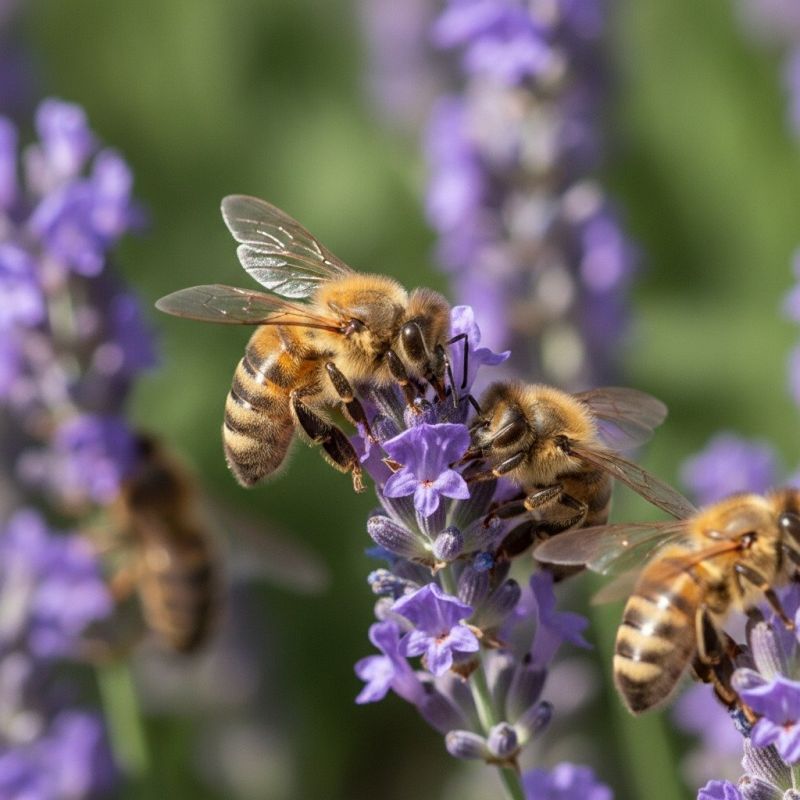
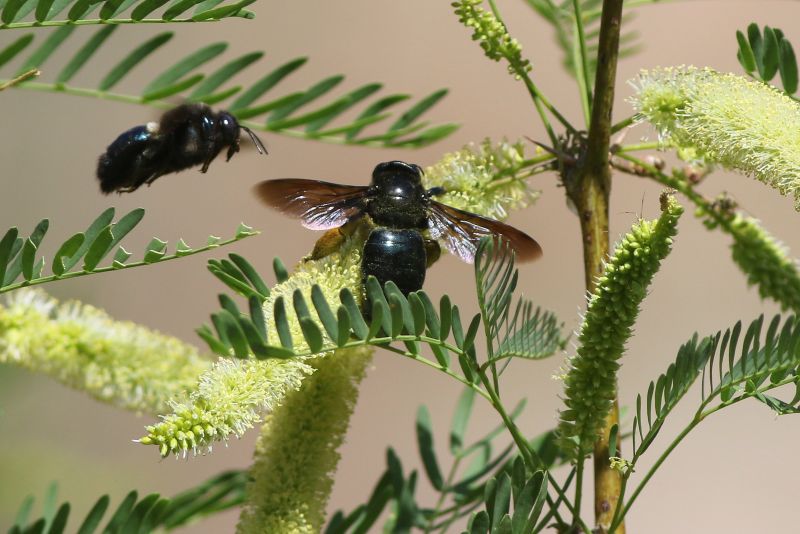

Understanding seasonal bee activity and the best time for removal is a common concern among homeowners facing bee-related issues. When people search for this topic, they often want to know when bees are most active and when it’s safest or most effective to remove their colonies. This information helps homeowners plan their approach, whether they’re dealing with a bee swarm on a tree or a hive built into the structure of a home or outbuilding. Recognizing the patterns of bee activity throughout the year can prevent unnecessary disturbances during peak times and ensure that removal efforts are carried out when bees are less likely to be aggressive or stressed.
This topic is closely related to various property-related problems and plans. For example, homeowners might notice a sudden increase in bee activity around their property or discover a hive that’s become a safety concern. Some may want to remove or relocate a hive before it causes damage or poses a risk to residents or pets. Others might be planning to undertake renovations or repairs and need to ensure that bees are safely removed beforehand. Seasonal bee activity and the best time for removal are essential considerations for those seeking to manage bee populations responsibly while protecting their property and loved ones.
Properties that typically come up in discussions about seasonal bee activity include residential homes, especially those with eaves, attics, or wall voids that can serve as hive sites. Outbuildings like sheds, barns, or garages are also common locations for bee colonies. In some cases, trees or shrubs may host swarms or nests that become visible during certain times of the year. Understanding when bees are most active helps homeowners coordinate with local service providers who specialize in bee removal, ensuring that the work is performed at an appropriate time to reduce stress on the colony and minimize disruption to the property.
For homeowners considering bee removal, knowing the seasonal patterns of bee activity can make a significant difference. Local service providers are experienced in identifying peak activity periods and advising on the best times to carry out removal efforts. They can help determine whether a hive is active or dormant and recommend the most suitable window for safe and humane removal. This ensures that the process aligns with bee behavior, reducing the risk of aggressive encounters and increasing the likelihood of successful relocation or removal. Connecting with local pros during the right season can help homeowners manage bee issues effectively and responsibly.
Bee habitat removal - specialists who can identify and safely remove bee colonies from structures, which is essential during peak and off-peak seasons for bee activity.
Wildlife exclusion services - experts skilled in sealing entry points to prevent bees and other pests from returning, aligning with seasonal activity patterns.
Pest inspection services - professionals who assess property for bee nests and advise on the best timing for removal based on seasonal bee behaviors.
Hive removal and relocation - contractors experienced in safely removing and relocating bee colonies, often scheduled around seasonal activity peaks.
Structural repair services - providers who repair damage caused by bee colonies, which may be necessary after seasonal nesting periods.
Property maintenance services - specialists who can help prevent future bee invasions by managing potential nesting sites during appropriate seasons.

When evaluating service providers for seasonal bee removal, it is important to consider their experience with similar projects. Homeowners should look for local contractors who have a history of handling bee activity during different times of the year, especially when it comes to managing seasonal fluctuations. An experienced professional will understand the patterns of bee behavior related to seasonal changes and can offer insights into the best timing for removal to ensure the safety of both the bees and the property. This background can help ensure that the chosen provider is well-equipped to handle the unique challenges that may arise with seasonal bee activity.
Clear written expectations are essential when choosing a bee removal service. Homeowners should seek out providers who can outline the scope of work, including the methods used for removal, any necessary follow-up, and the timeline involved. Having these details in writing helps prevent misunderstandings and ensures that both parties have a shared understanding of what the process entails. This clarity is especially important when dealing with seasonal bee activity, as timing can influence the approach and effectiveness of removal efforts.
Reputable references and good communication are key indicators of a reliable local contractor. Homeowners are encouraged to ask for references or reviews from previous clients who had similar seasonal bee activity concerns. Good communication throughout the process allows for questions to be answered and expectations to be managed effectively. When a service provider maintains open, transparent communication and can provide evidence of their experience and professionalism, it increases confidence that they can handle seasonal bee removal appropriately and efficiently.
Property owners often search for seasonal bee activity and the best time for removal when they are planning practical projects around their homes and businesses. Local pros provide Seasonal Bee Removal services for everyday jobs and straightforward project options.

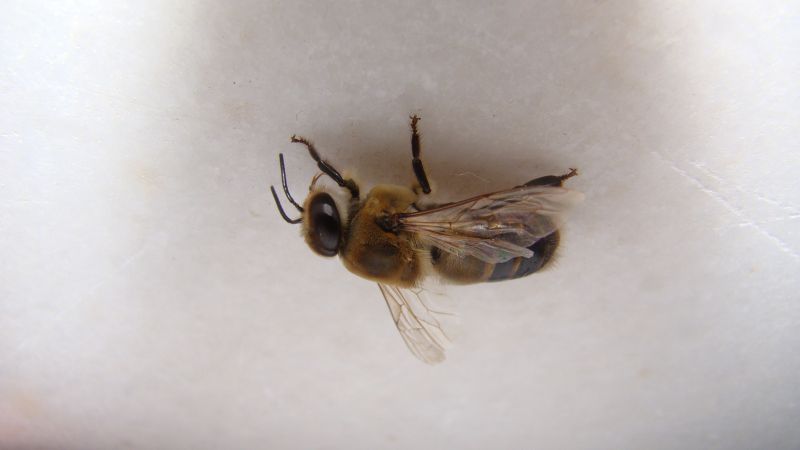
Understanding seasonal bee activity and the best time for removal can help property owners address bee-related concerns effectively. During warmer months, bees become more active as they forage and establish new colonies, which can lead to increased sightings around homes and structures. Recognizing these patterns allows property owners to plan for removal services at appropriate times, ensuring that bee colonies are managed safely before they become more difficult to handle or cause damage.
Timing is essential when considering bee removal, as certain periods of the year are more suitable for addressing colonies safely and efficiently. Many local contractors recommend scheduling removal services during late summer or early fall, when bee activity begins to decline and colonies are less active. Consulting with experienced service providers can help determine the optimal time for removal, minimizing disruption and ensuring the job is done properly. These professionals can provide guidance tailored to seasonal patterns and local conditions, making it easier for property owners to manage bee issues effectively.
When is the peak period for seasonal bee activity? Seasonal bee activity typically peaks during warmer months, especially in late spring and summer, making it the most common time for bee colonies to establish and expand. Local contractors often see increased requests for removal during these periods when colonies are most active.
What is the best time for bee removal to prevent hive expansion? The best time for bee removal is usually during early spring or late fall when bee activity is lower, reducing the risk of disturbing active colonies and preventing hive growth. Local service providers can advise on optimal timing based on local climate patterns.
How does seasonal bee activity affect removal services? Seasonal bee activity influences when removal services are most in demand; peak activity periods often see more colonies needing removal, while off-peak times may allow for safer and more efficient removal by local pros.
Are there specific seasons when bee removal is not recommended? Bee removal is generally less recommended during peak active months, such as late spring and summer, when colonies are most active and sensitive. Local contractors typically prefer to perform removals during less busy seasons for safety and effectiveness.
Can local pros handle bee removal outside of peak seasonal activity? Yes, local service providers can handle bee removal during off-peak seasons, often with less colony activity, which can make the process easier and less disruptive for both the bees and property owners.
Timing for removal - Understanding peak seasonal bee activity helps property owners plan for bee removal services when bees are most active and easier to locate. Monitoring bee behavior - Observing changes in bee movement and hive activity can indicate the best time to schedule removal with local contractors. Seasonal considerations - Recognizing periods of low bee activity can make removal efforts more effective and reduce disruption to local pollinators. Consulting local experts - Connecting with nearby service providers ensures removal is performed during optimal times for safety and success.
If you are thinking about seasonal bee activity and the best time for removal for a property, this guide is meant to help you understand this topic, the typical project types, and how different options might fit your plans.
When you are ready, you can use the quote form on this page to share a few details about your project. From there, local pros can review the basics and follow up with options that match what you have in mind.